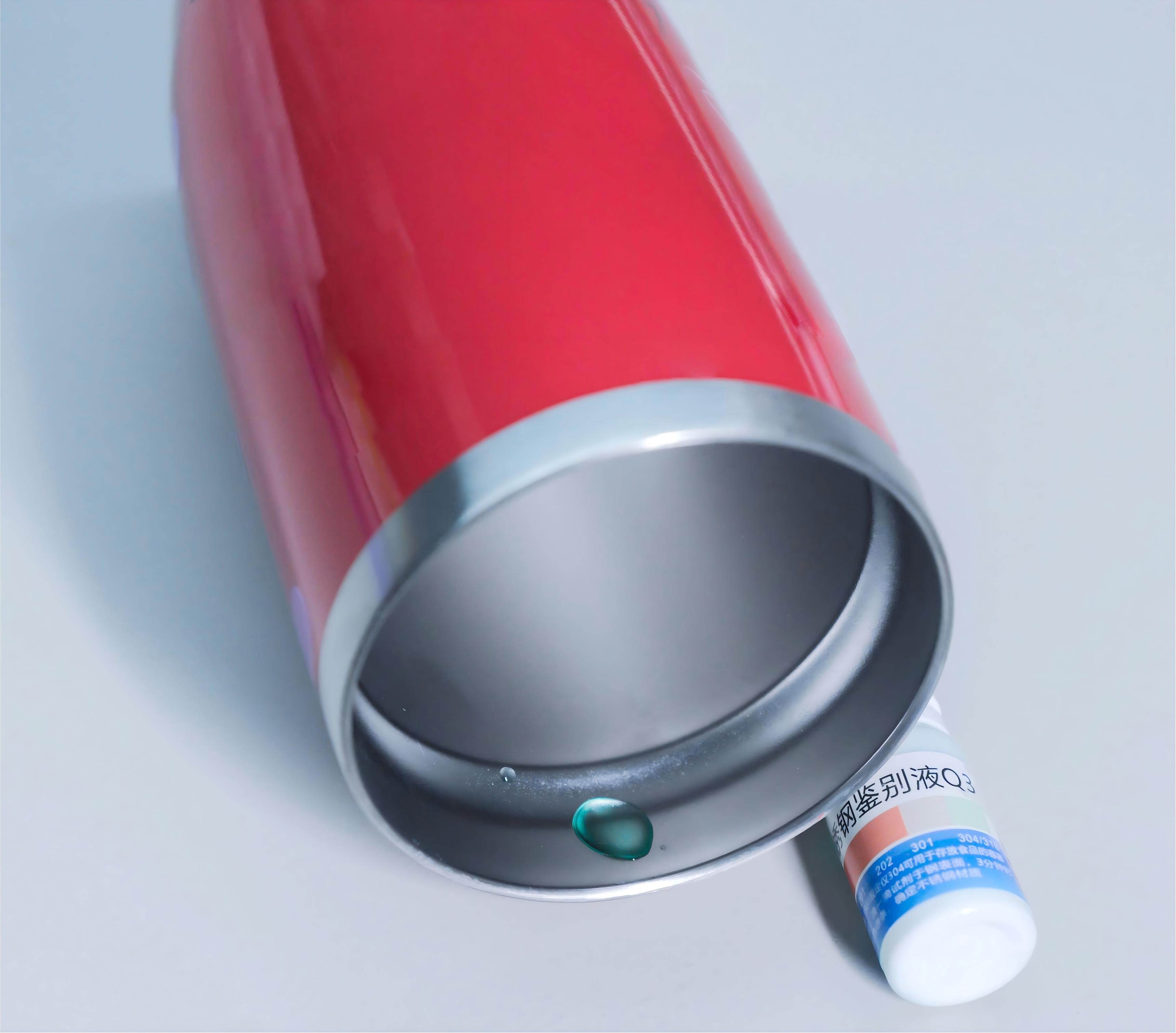
Reducing Your Footprint: How a Reusable Water Bottle Makes a Difference
It might seem like a small choice, but grabbing a reusable water bottle instead of a disposable one can make a significant environmental impact. Let’s explore why it matters — and how you can make your water-cup choice count.
Why Reusable Over Single-Use
Every year, millions (or billions) of plastic water bottles are used once then thrown away. For example, one study found that drinking tap water from a reusable container reduced energy consumption by 85% and greenhouse-gas emissions by 79% compared to bottled water.
Plastic bottles don’t only cost in waste—they cost in water, energy, and fossil fuel. For one liter of bottled water, it takes roughly 3 liters of water to produce it (manufacturing, materials, etc.). Clean Water Action
On the marine front, bottles are among the top types of litter floating in our oceans. PMC+1
So when your customer uses a reusable water cup instead, you’re helping them reduce plastic waste, conserve resources, and lower their carbon footprint.
What to Look For in a Truly “Eco” Cup
Even reusable bottles differ a lot. Some key considerations:
-
Material matters: Stainless steel, glass, and high-quality plastics all have different manufacturing footprints. In fact, one life-cycle study found that depending on the material, a reusable bottle might need 10–20 uses (or even more) to “break even” compared to a single-use plastic bottle. sustainability.mit.edu+1
-
Longevity & reuse: The eco-benefit only works if the bottle is used many times. If a reusable bottle is discarded quickly or replaced every few months, the environmental payoff drops. pawprint.eco+1
-
End of life: How easy is it to recycle or repurpose the bottle at the end of its life? Some materials are harder to recycle properly. Scot Scoop News+1
-
Supplier transparency: If you’re trading water bottles, you can highlight the materials, manufacturing process, and estimated lifespan in your product copy.
How This Helps Your Customers (and Your Business)
When you frame a reusable water cup as both a functional item and an environmental choice:
-
You tap into values-driven purchases: more people look for sustainable products.
-
You provide a story: “Each time you refill this bottle, you’re avoiding 150+ single-use bottles per year.” (One statistic: one person switching cuts ~150 bottles a year) projectcleanwater.org
-
You set your brand apart: not just “good-looking bottle,” but “sustainable choice, smart impact.”
Tips for Talking About Reusables on Your Site
-
Use clear data: e.g., “Using this bottle can avoid ~150 disposable bottles in a year” or “reduces CO₂ by X per refill”
-
Provide transparency: “Our model uses 18/8 stainless steel, no BPA liners, designed for 5 years+ of use”
-
Highlight behaviours: Encourage customers to reuse, refill, and keep for years (not just buy a reusable but treat it like disposable)
-
Give care/maintenance advice: Longevity = better sustainability. A bottle that breaks early offsets its environmental gains.
Final Take-away
Choosing a reusable water bottle isn’t just about convenience—it’s a meaningful way to reduce waste, conserve resources, and support a greener lifestyle. If your product line emphasises durability, quality materials, and long-term use, you position yourself not only as a supplier of drinking vessels, but as a partner in sustainable living.
Which Material of Water Cup is Best — Stainless Steel, Glass or Ceramic
Water Bottle Care Made Easy – A Friendly Guide