Which Material of Water Cup is Best — Stainless Steel, Glass or Ceramic
Which Material of Water Cup Is Best — Stainless Steel, Glass or Ceramic?
When you browse water bottles or cups online — especially reusable ones — you often see products made from stainless steel, glass, or ceramic. Each material has its own advantages and trade-offs. Understanding these can help both you (as a seller) and your customers choose the right cup for different needs.
Stainless Steel – Durable, Insulated, All-Around Performer
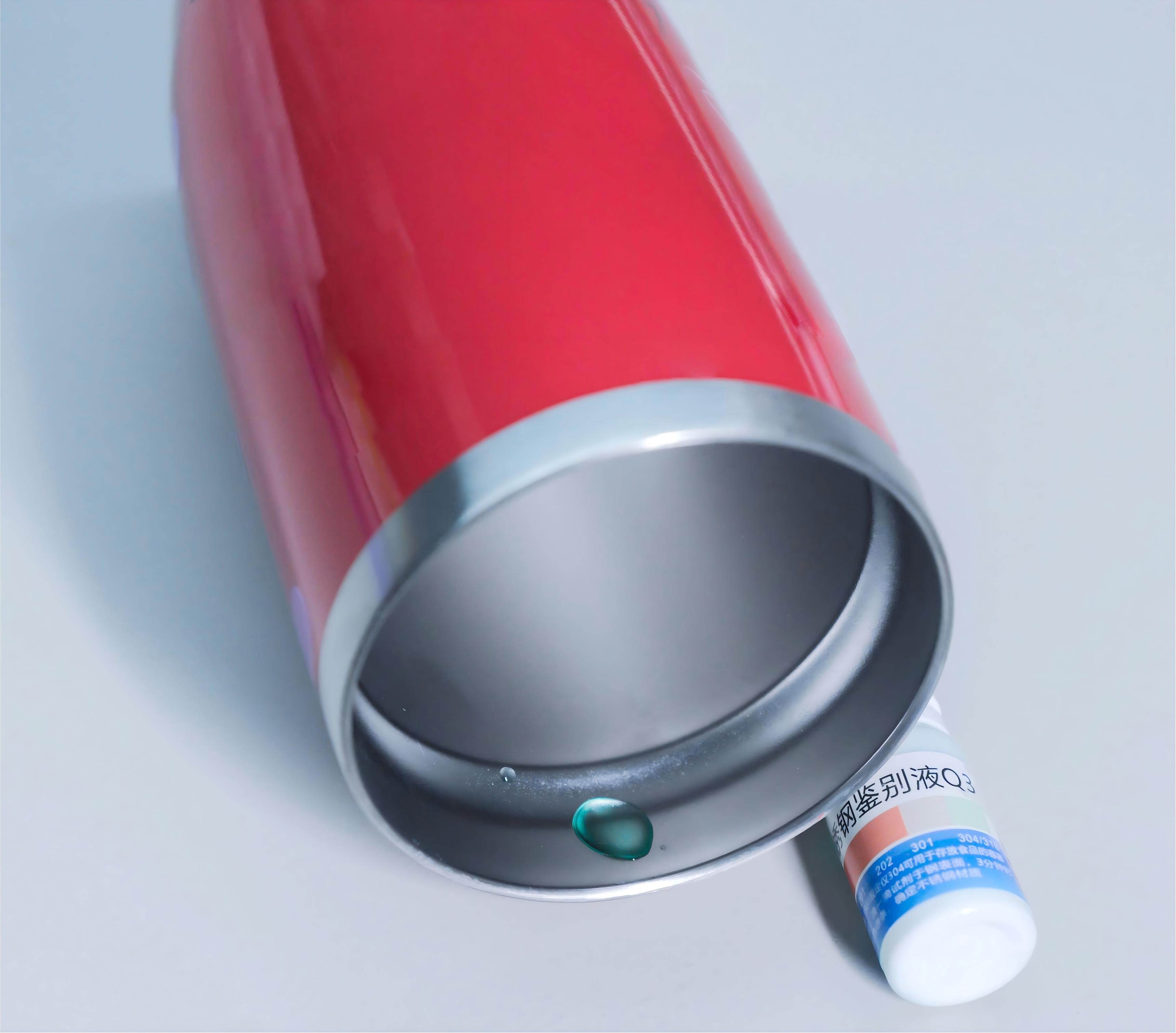
Stainless steel bottles — especially those made from food-grade 18/8 or 304 steel — are widely regarded as safe, durable and practical. They resist corrosion and rust even when used with water, coffee, tea or acidic drinks.
One of the biggest advantages is insulation: many stainless steel bottles use a double-wall vacuum design to keep beverages hot or cold for hours. Because of their toughness, they can withstand daily use, drops, and rough handling — something that glass or ceramic bottles struggle with.
On the downside: some users notice a slight metallic aftertaste, especially when the bottle is brand new or used with acidic drinks. And insulated stainless bottles tend to be heavier than plastic or plain glass bottles.
Overall, stainless steel is a very balanced, all-purpose material — excellent for people on the go, commuters, travelers and daily users.
Glass – Pure Taste, Transparent, Great for Home or Office Use
Glass bottles have strong appeal for users who prioritize taste purity and chemical neutrality. Glass is inert — it doesn’t leach metals or react with beverages, and it preserves the original flavor and aroma of drinks.
Because glass is transparent, users can easily see contents and monitor cleanliness. Cleaning is often easier too, especially for wide-mouth glass bottles.
Environmentally, glass is fully recyclable and doesn’t degrade into toxic microplastics or other pollutants.
However, glass has some clear trade-offs. It is more fragile — even thick or reinforced glass can break or shatter if dropped. Glass also offers poor thermal insulation, so hot drinks cool quickly and cold drinks warm up — unless paired with an insulating sleeve or cover. And because glass tends to be heavier, it's less convenient for outdoor use, travel, or carrying around all day.
Thus, glass bottles work best for home, office, or settings where portability isn’t critical and taste purity is valued.
Ceramic (or Ceramic-Lined) — Balanced But Requires Care
Some bottles use a ceramic-lined interior over a metal or insulated exterior. The ceramic layer acts as a barrier, preventing the liquid from contacting metal — which avoids metallic taste and potential flavor alteration.
Ceramic-lined bottles combine some of the durability and insulation benefits of metal bottles with the taste neutrality of glass/ceramic surfaces. They can thus offer a “best-of-both-worlds” experience: stable flavor, reasonable insulation, and durability when handled carefully.
But there are caveats: ceramic interiors can chip or crack if the bottle is dropped or handled roughly — which can compromise safety or insulation. Also, ceramic lining tends to raise production cost, making such bottles more expensive than plain stainless steel or glass.
Which Material Should Customers Choose — Matching Use Case to Material
| Scenario / Need | Recommended Material | Why |
|---|---|---|
| Daily carry, commuting, travel, outdoor use, rough handling | Stainless Steel | Strong, insulated, durable |
| At home, office, or places where taste purity matters | Glass | Chemically inert, pure taste, easy to clean |
| Balanced needs — want insulation + pure taste + nicer feel | Ceramic-lined / Ceramic | Combines insulation + neutral taste, but requires careful handling |
| Insulated hot/cold drinks on the go | Stainless Steel or Ceramic-lined | Retains temperature well |
| Want transparency to see drink status / monitor cleanliness | Glass | Transparent and easy to inspect |
How to Use This as a Seller
When you present your product range to customers, segment by use-case rather than only by material. For example:
-
“For commuters and travelers — our stainless steel bottles.”
-
“For office or home — our glass bottles for pure taste.”
-
“For premium lovers — ceramic-lined bottles combining style, taste and insulation.”
Provide clear information about material grade (e.g. “food-grade 304 stainless steel”, “borosilicate glass”, “ceramic-lined interior”), and mention pros/cons honestly. That transparency builds trust and helps customers choose the right product — which improves satisfaction and reduces returns.
Conclusion
There’s no one-size-fits-all “best water cup material.” Stainless steel stands out as the most versatile and durable for everyday use. Glass wins if you care most about taste purity and chemical neutrality at home or office. Ceramic-lined bottles can offer a valuable middle ground for those seeking both insulation and taste neutrality — but they demand more careful handling.
By understanding these trade-offs, you can better guide your customers — and position your products accordingly.
Key Features to Consider When Choosing a Cold Drink Bottle
Reducing Your Footprint: How a Reusable Water Bottle Makes a Difference