
The Growing Popularity of Eco-Friendly Water Bottles in International Markets
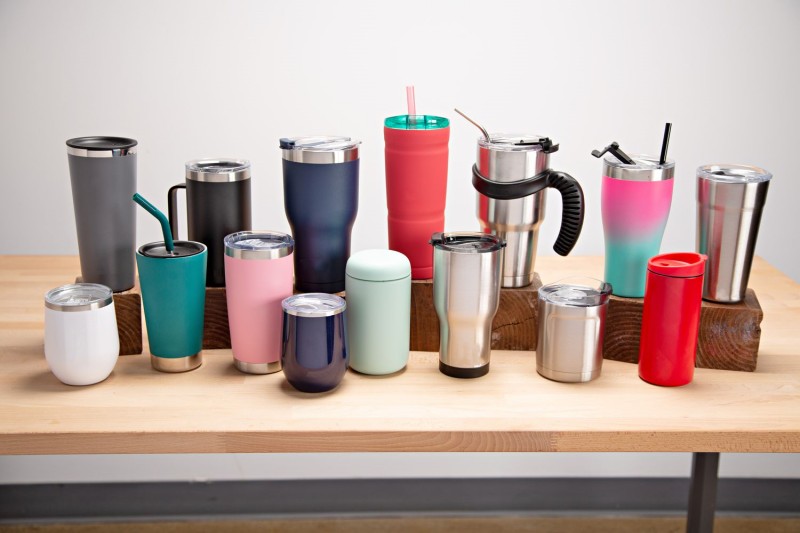
The global push towards sustainability has led to a significant shift in consumer behavior, with more people seeking eco-friendly products that help reduce environmental impact. Water bottles, traditionally made from single-use plastics, have become a major focus in this sustainability movement. As consumers become more conscious of their ecological footprint, eco-friendly water bottles—such as those made from stainless steel, glass, and BPA-free plastic—have gained immense popularity. For water bottle exporters, this trend presents a unique opportunity to tap into an expanding market while promoting environmental responsibility. In this article, we’ll explore the growing popularity of eco-friendly water bottles in international markets and how exporters can capitalize on this demand.
1. The Environmental Impact of Single-Use Plastic Bottles
Single-use plastic bottles are one of the most significant contributors to global plastic waste. According to the United Nations, more than 480 billion plastic bottles are purchased every year, and a staggering 91% of these bottles are not recycled. Plastic bottles take hundreds of years to decompose, during which time they pollute landfills, oceans, and ecosystems.
The environmental impact of plastic bottles has raised awareness among consumers, leading them to seek alternatives that are more sustainable. As a result, reusable water bottles made from eco-friendly materials such as stainless steel, glass, and BPA-free plastic have gained popularity as viable alternatives to single-use plastics. By offering eco-friendly water bottles, exporters can help reduce plastic waste while providing consumers with a more sustainable option.
2. Rising Consumer Demand for Sustainable Products
The demand for sustainable products is on the rise, particularly among millennials and Gen Z consumers, who are more environmentally conscious than previous generations. These consumers are not only looking for eco-friendly products but also want to support brands that align with their values of sustainability and social responsibility.
Eco-friendly water bottles fit perfectly into this trend, as they offer a practical solution to reducing plastic waste without compromising on quality or functionality. Stainless steel and glass water bottles are reusable, durable, and 100% recyclable, making them ideal choices for environmentally-conscious consumers who want to reduce their carbon footprint.
For water bottle exporters, targeting markets with a high demand for sustainable products is key to capitalizing on this trend. Countries in North America, Europe, and parts of Asia are seeing strong growth in the demand for eco-friendly products, and water bottles are no exception. By offering eco-friendly options, exporters can attract environmentally-conscious consumers who prioritize sustainability in their purchasing decisions.
3. Benefits of Eco-Friendly Water Bottles
Eco-friendly water bottles, particularly those made from stainless steel and glass, offer a range of benefits that make them a popular choice for consumers:
-
Durability and Longevity: Stainless steel and glass bottles are known for their durability and long lifespan. Unlike plastic bottles, which can crack or degrade over time, eco-friendly bottles can last for many years with proper care. This makes them a more cost-effective and sustainable option in the long run, as they reduce the need for frequent replacements.
-
Temperature Retention: Insulated eco-friendly water bottles can keep beverages cold or hot for extended periods. This feature is particularly appealing to consumers who want to enjoy their drinks at the perfect temperature, whether they are commuting, hiking, or working out. Stainless steel bottles with vacuum insulation can keep drinks cold for up to 24 hours and hot for 12 hours, offering significant convenience to consumers.
-
Health Benefits: Eco-friendly water bottles made from stainless steel or glass are free from harmful chemicals such as BPA, phthalates, and PVC, which are commonly found in plastic bottles. These bottles don’t leach toxins into water, making them a healthier option for consumers concerned about the safety of their drinking vessels.
-
Customization and Personalization: Eco-friendly water bottles are easy to customize, making them a popular choice for businesses looking for promotional products. Custom logos, designs, and branding on eco-friendly bottles provide companies with an effective way to advertise their brand while promoting sustainability.
4. Eco-Friendly Water Bottles as Corporate Gifts
Corporate gifting has become an increasingly important aspect of marketing and brand building. Businesses are now more focused on offering gifts that align with their brand values, and eco-friendly water bottles make an excellent choice for corporate gifts. Not only do they serve as a practical and useful item, but they also demonstrate a company’s commitment to sustainability.
By offering eco-friendly water bottles as part of corporate wellness programs or as promotional giveaways at trade shows and events, companies can build stronger relationships with clients, employees, and potential customers. Custom-branded eco-friendly water bottles also provide a lasting impression of the brand, as they are likely to be used daily, increasing brand visibility.
For water bottle exporters, partnering with businesses to offer bulk orders of custom eco-friendly water bottles presents a lucrative opportunity. Many companies are actively seeking sustainable promotional products, making this a high-demand market segment for exporters.
5. Marketing Strategies for Eco-Friendly Water Bottles
To successfully market eco-friendly water bottles, exporters should emphasize their environmental benefits and the growing consumer demand for sustainable products. Here are some marketing strategies to help water bottle exporters stand out in the eco-friendly market:
-
Highlight Sustainability: Make sustainability a key part of your branding and messaging. Emphasize the eco-friendly materials used in your bottles, such as BPA-free plastic, stainless steel, or glass. Also, mention any efforts you’re making to reduce the environmental impact of your manufacturing processes, packaging, and shipping.
-
Use Green Certifications: If your products are certified by recognized environmental organizations, such as the Forest Stewardship Council (FSC) or the Global Recycled Standard (GRS), highlight these certifications in your marketing materials. This adds credibility to your eco-friendly claims and reassures consumers that your products are genuinely sustainable.
-
Leverage Social Media: Social media platforms, especially Instagram and Pinterest, are ideal for showcasing the eco-friendly appeal of your water bottles. Share images of your products in use, highlight their sustainability features, and engage with your audience through eco-conscious campaigns. Collaborating with influencers who promote sustainable living can also help boost your brand’s visibility in the eco-friendly market.
-
Target Eco-Conscious Segments: Focus on consumer segments that prioritize sustainability, such as millennials, Gen Z, and health-conscious individuals. Promote your eco-friendly bottles as part of a sustainable lifestyle, emphasizing their reusability, durability, and environmental impact.
6. The Future of Eco-Friendly Water Bottles
The future of eco-friendly water bottles looks bright, as more consumers turn to reusable options to reduce their plastic consumption and minimize their environmental footprint. As the trend towards sustainability continues to grow, water bottle exporters have an excellent opportunity to expand their market share by offering products that cater to this demand.
In addition to eco-friendly materials, advancements in technology and design will continue to drive innovation in the water bottle industry. For example, bottles with self-cleaning features, built-in filtration systems, or modular designs are likely to emerge as popular options in the near future. Water bottle exporters who stay ahead of these trends will be well-positioned to meet the evolving needs of eco-conscious consumers.
Conclusion
Eco-friendly water bottles are rapidly gaining popularity in international markets as consumers become more aware of the environmental impact of single-use plastics. By offering products made from sustainable materials like stainless steel, glass, and BPA-free plastic, water bottle exporters can meet the growing demand for environmentally responsible alternatives. Emphasizing the durability, health benefits, and sustainability of eco-friendly water bottles can help exporters stand out in the competitive global market. With the right marketing strategies and a focus on quality, exporters can tap into the expanding eco-friendly market and drive long-term success.
Innovative Water Bottle Designs That Are Shaping the Future of Hydration
How Water Bottle Exporters Can Enhance Their Competitiveness in the International Market
Related Article


.jpg?imageMogr2/format/webp/thumbnail/!10p)